



In cybersecurity, prioritizing risk is crucial. By identifying vulnerabilities that are already being exploited, KEV lets organizations focus on the most pressing threats.
This targeted approach helps optimize security resources and strengthen defenses against the most likely and most damaging attacks.
The KEV (Known Exploited Vulnerabilities) catalog is an initiative of the US Cybersecurity and Infrastructure Security Agency (CISA). It's a publicly accessible database listing software vulnerabilities that have been actively exploited by malicious actors.
The list is updated regularly, giving users a reliable resource for spotting critical security flaws.
In short, the CISA KEV catalog is an essential tool for proactively detecting and preventing cyberattacks. By focusing on known, exploited vulnerabilities, companies can allocate their resources better and improve their overall security posture.
The KEV catalog is a central reference source for known vulnerabilities that have been exploited maliciously. By shining a light on these vulnerabilities, it guides organizations in focusing their remediation efforts. This approach makes vulnerability management more efficient and improves preparedness against cyberattacks.
Vulnerabilities are listed by vendor, product and date, with a detailed description of the flaw and the recommended remediation steps.
In short, KEV's goal is to make data on exploited vulnerabilities accessible and actionable, to improve protection against cyberattacks and make IT security risk management easier.
The CISA KEV catalog plays a crucial role in understanding cybersecurity risk. It helps organizations identify vulnerabilities that have been actively exploited and understand the context in which that exploitation happens.
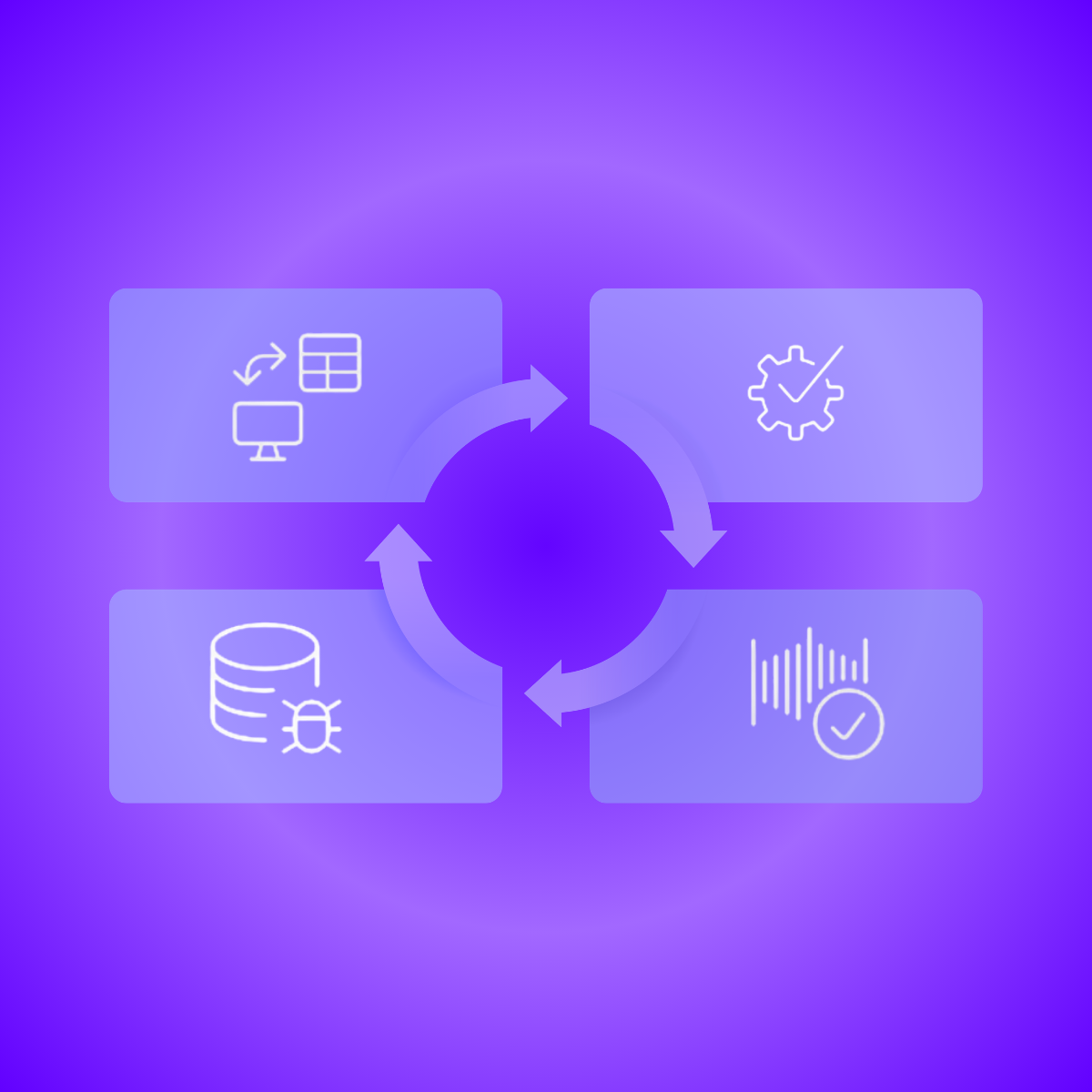
It works in several steps:
1. Identifying exploited vulnerabilities
KEV provides a list of vulnerabilities known to have been exploited by malicious actors.
2. Putting threats in context
Each KEV entry includes details on how the vulnerability was exploited, along with information on known malicious campaigns. This gives organizations a better understanding of the methods cybercriminals use and the types of attacks they may face.
3. Prioritizing remediation efforts
A vulnerability listed in KEV carries a high risk of being exploited again. KEV therefore helps organizations prioritize their remediation efforts.
4. Applying mitigations
KEV also provides recommendations on mitigations and available patches.
5. Supporting vulnerability management
It enables fast identification and prioritization of critical vulnerabilities, provides context on current threats and guides remediation for better information system security.
As a SaaS cybersecurity vendor, Activ Security relies on the CISA KEV catalog to give its customers an informed view of real-world risk.
With the KEV catalog, Activ Security helps customers spot and rank vulnerabilities that have been exploited.
Remediation can then focus where the risk is most imminent, based on hard evidence of past attacks.
By constantly monitoring new threats and integrating KEV catalog data, Activ Security enables proactive detection and a fast response when critical vulnerabilities are found.
Activ Security provides detailed reports that include KEV catalog information, helping customers better assess their security posture and comply with applicable regulations.
In short, this approach lets users focus their efforts on the most critical vulnerabilities, making them more responsive to threats and strengthening their overall security.
Explore our guides and analysis on current threats.