
WAF & API Protection

Block web attacks with AI.

Analyze every request in real time and block threats before they reach your server. Web Application and API Protection is your first line of defense against cyberattacks, from the moment it's switched on.
Protect my application

Real-time protection for your applications.

Our WAAP uses AI to analyze every incoming request in real time: geolocation, IP reputation, behavioral history, attack signatures and cyber threat intelligence.

This multi-layered approach detects both known threats and zero-day attacks, autonomously and with a minimal false-positive rate.

+300 % d'attaques XSS depuis l'année dernière

Plus de 1 700 types de bots référencés et filtrés chaque jour

Real-time protection
AI instantly blocks any malicious activity on your site.

AI that's as reliable as it is powerful.

An AI is only as good as the data it's trained on and the protocols that guarantee its results. The core of our Adaptive Security Engine trains continuously on billions of events every day, more than 9 petabits of data daily.

AI built on a machine learning architecture.

The ASE engine is built on a machine learning architecture with five complementary layers. This separation offers a key advantage: pinpointing exactly which elements triggered an alert, and assigning attack probabilities with precision.

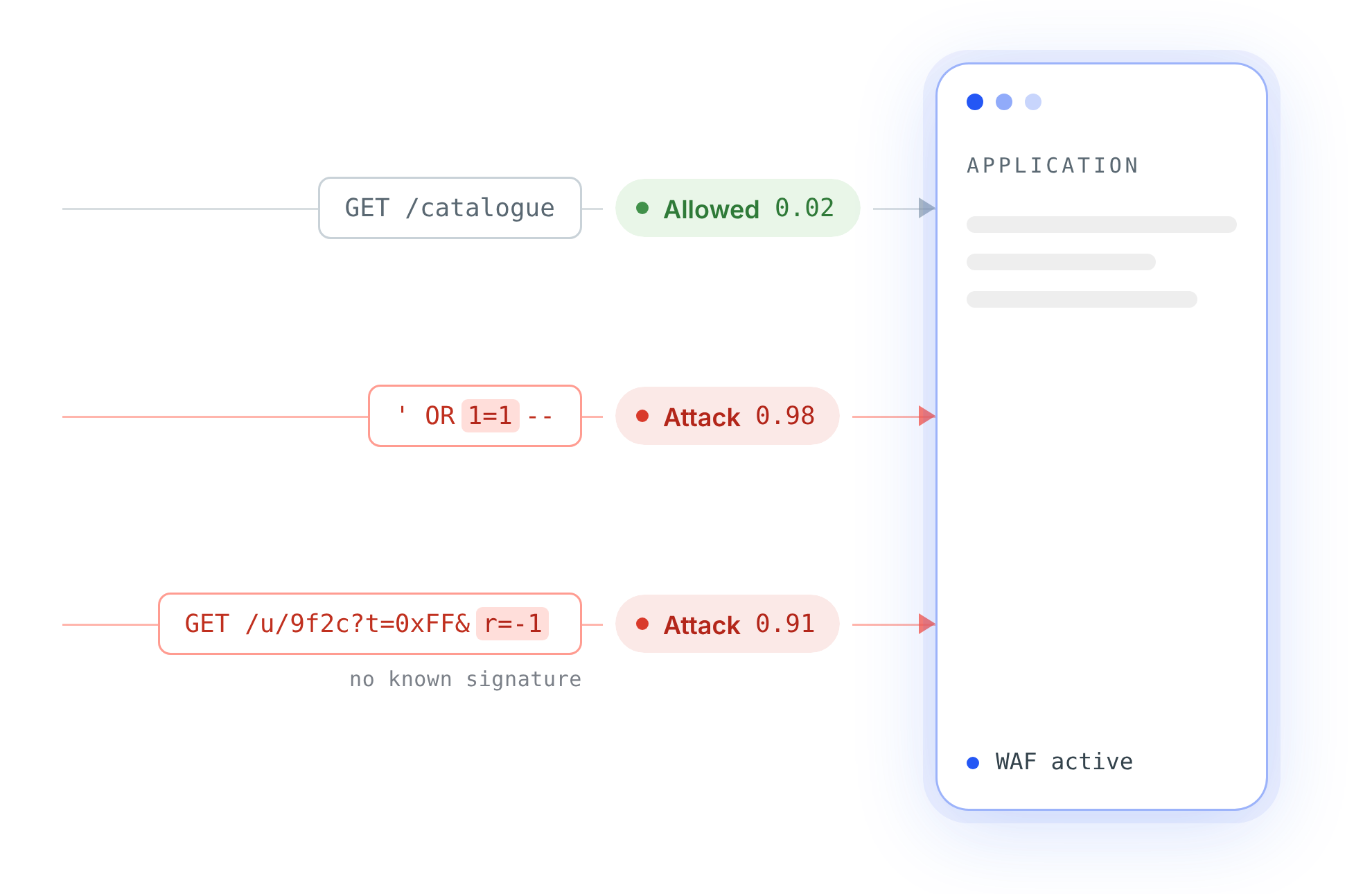
The engine identifies suspicious behavior even when no reference signature exists.
Learn more
Requêtes analysées par l'IA du WAF : requête autorisée et attaques bloquées

DDoS protection that keeps traffic flowing.

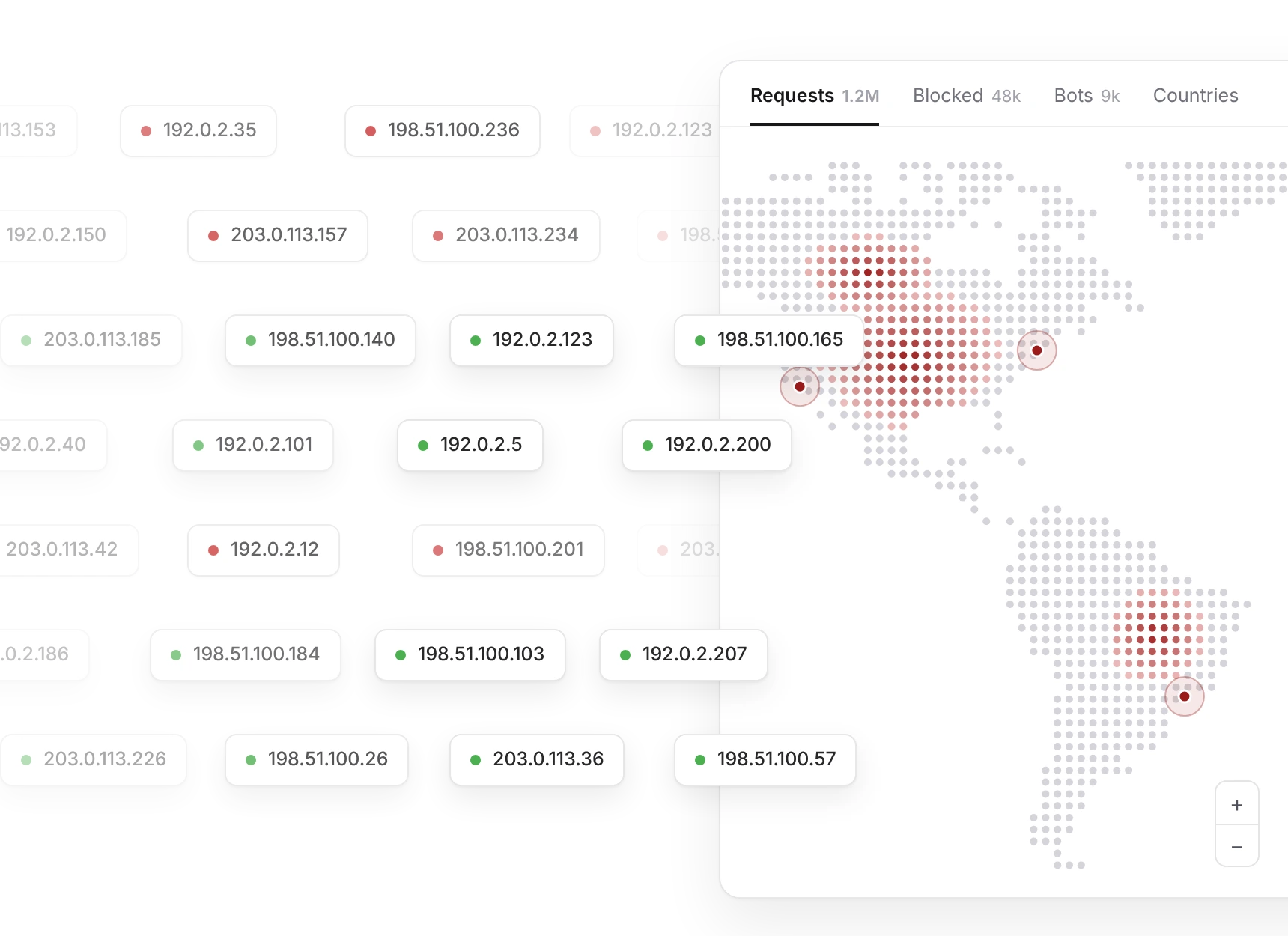
Our DDoS detection engine goes beyond simply counting requests. Anomaly algorithms cross-check several traffic dimensions at once: frequency, timing distribution, User-Agent diversity and behavioral consistency.

Each suspicious request gets its own anomaly score. Sophisticated attacks that mimic human behavior are identified and neutralized before they reach your infrastructure.
Learn more
Carte mondiale des requêtes par adresse IP avec les zones d'origine d'une attaque DDoS

Bot visibility, adaptive filtering.

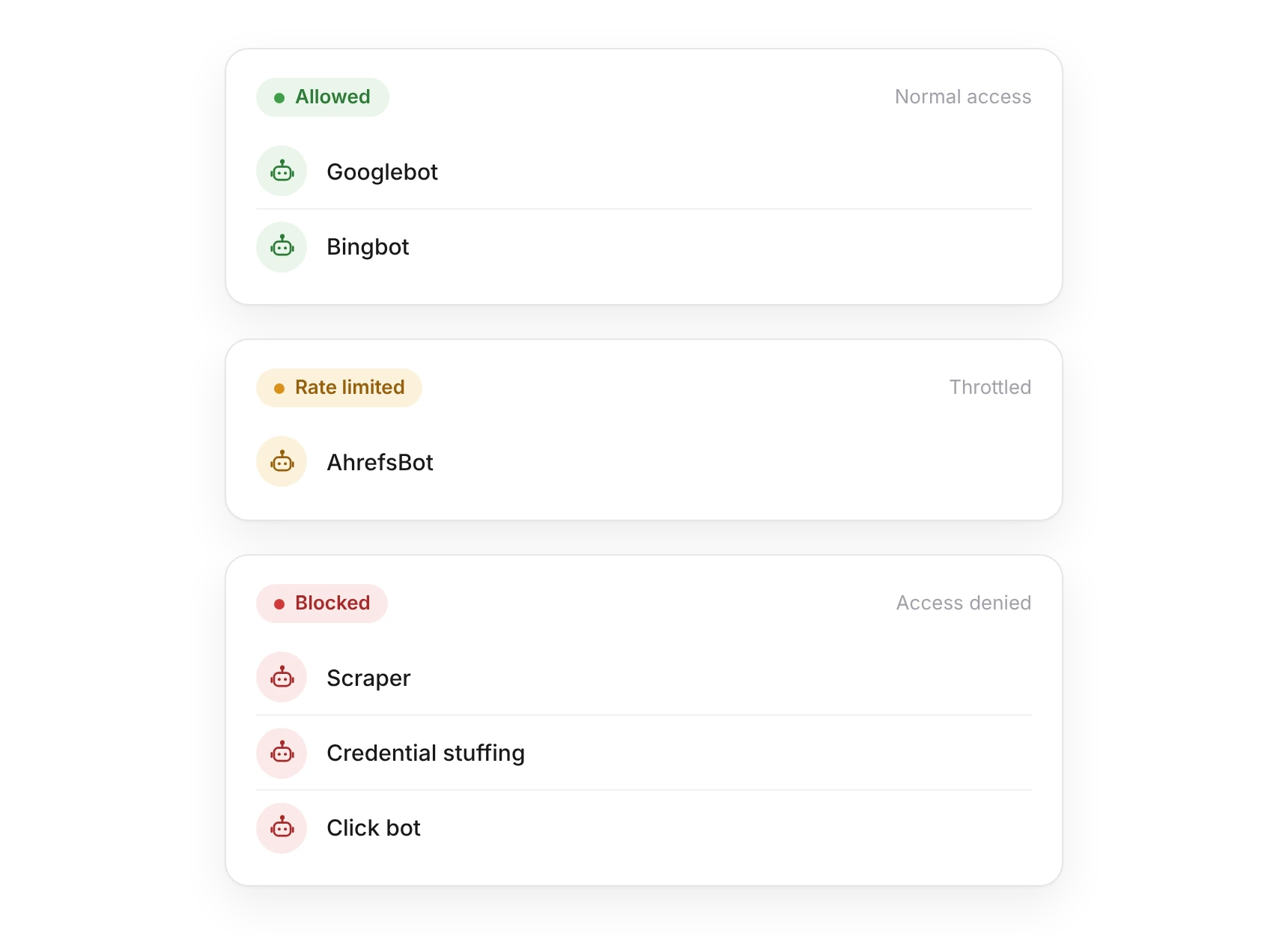
Precisely tell legitimate bots apart from malicious ones: scrapers, offensive crawlers, credential stuffing bots and ad fraud bots. Every bot is classified, scored and handled accordingly: allowed, rate-limited or blocked immediately.

You get full, real-time visibility into all the automated traffic hitting your application.
Learn more
Bots classés en autorisés, limités et bloqués

IP reputation, instant blocking.

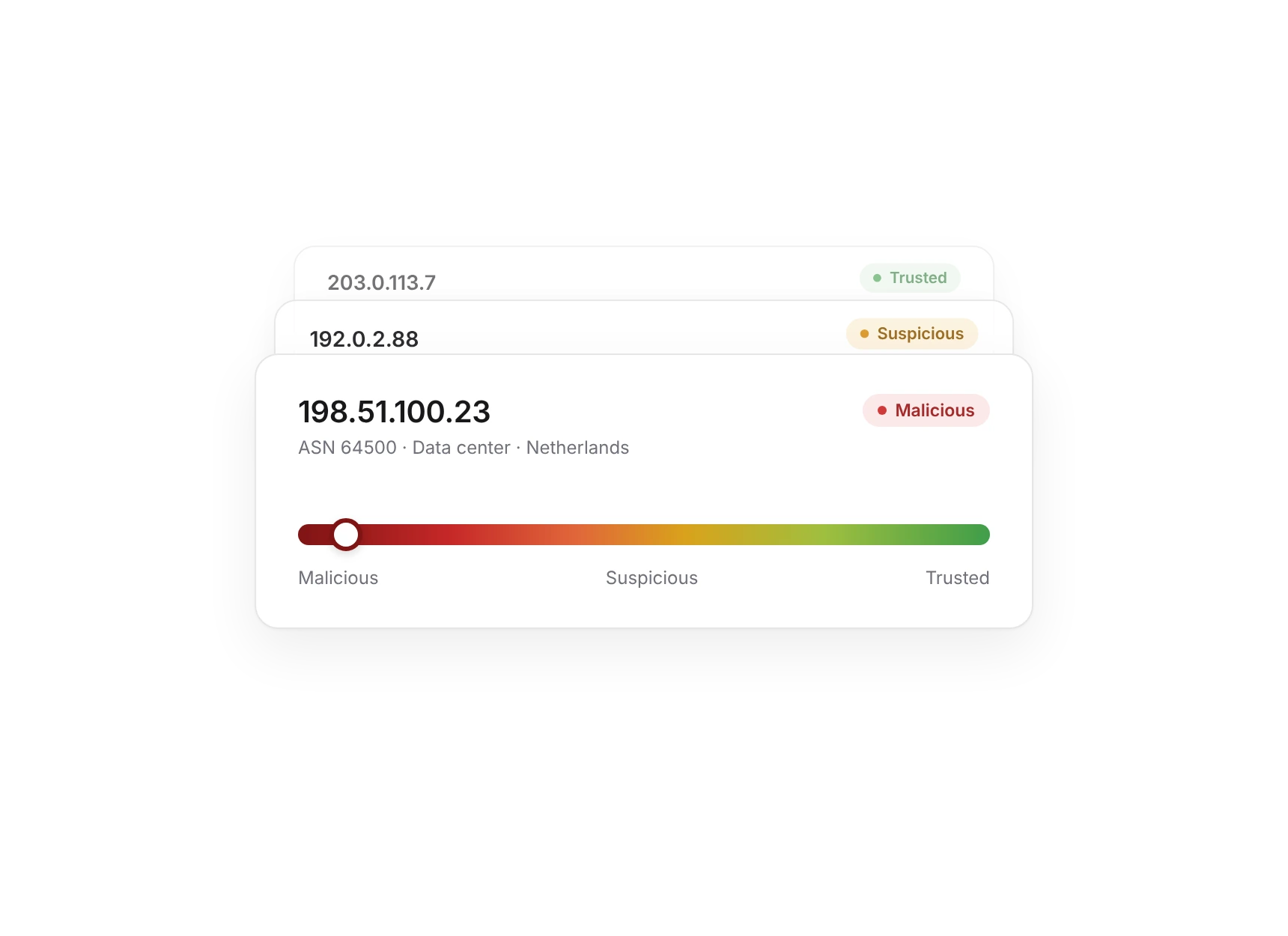
With visibility into more than 30% of global web traffic, the engine continuously assesses every IP address using multiple sources: attack history, botnet participation, international threat feeds and behavior observed in real time across the entire network.

Before an IP even sends its first request to your application, its reputation is already established and the filtering decision already made.
Learn more
Score de réputation d'une adresse IP sur une échelle du rouge au vert

CDN: security that includes speed.

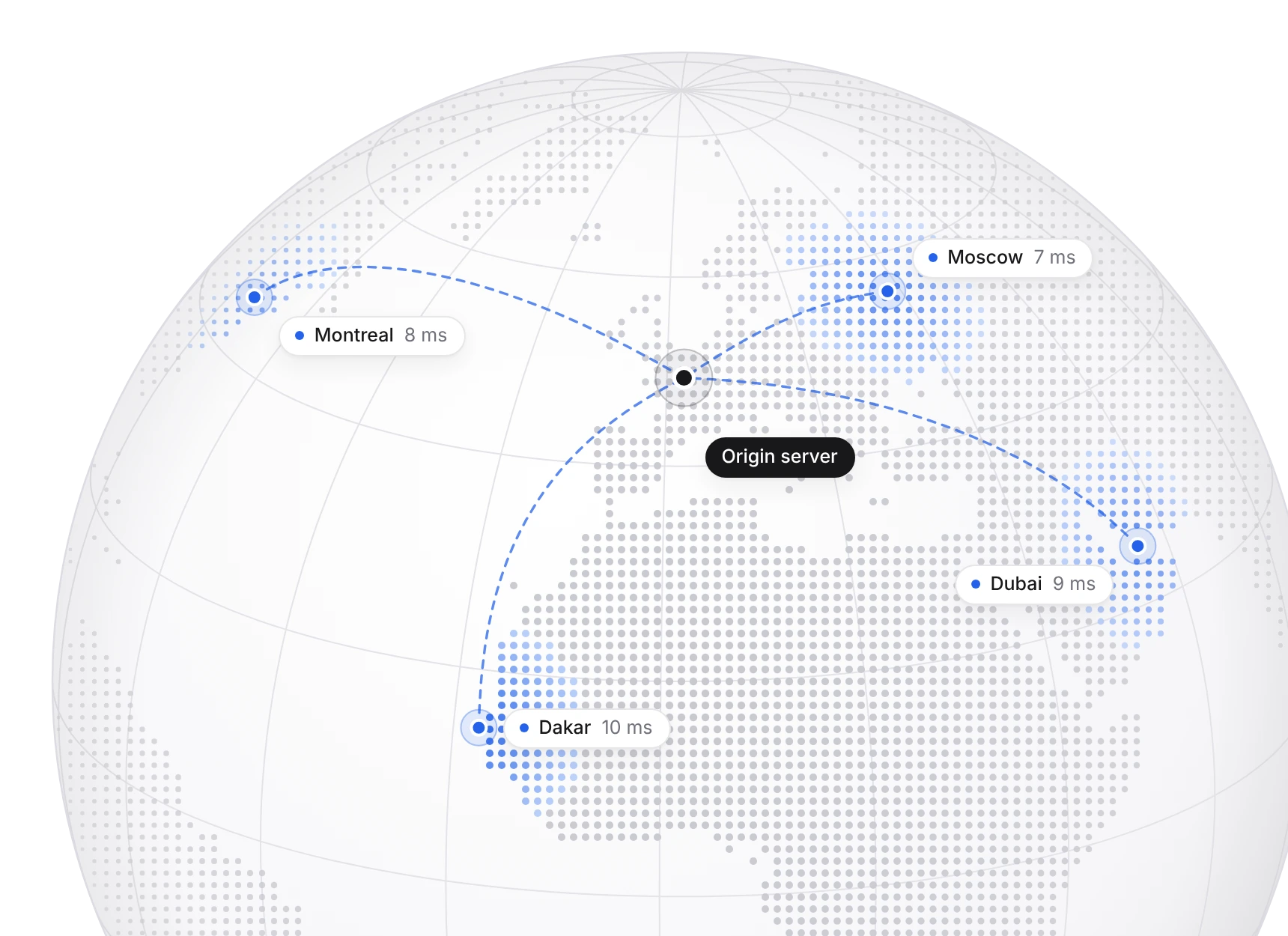
Our WAAP natively includes a CDN in a unified architecture. Every request is filtered at our distributed points of presence, as close to the user as possible, before being routed to your server.

No latency from security analysis, faster load times, a better user experience and a positive signal for your SEO.
Learn more
Globe montrant le réseau CDN entre le serveur d'origine et plusieurs villes

Automate your web protection.

Get always-on, fully automated web and API protection.

The engine analyzes, filters and blocks in milliseconds, while improving the experience for your legitimate users.

Try it free

Nuanced pattern recognition.

Beyond OWASP rules, the AI automatically builds a behavioral model of your legitimate users. Any significant deviation from that model triggers in-depth analysis and blocking if needed.

Zero-day attack detection.

The AI assigns a confidence score to every request by cross-checking multiple signals. That score tells real attacks apart from legitimate behavior in real time.

Adapts to change.

Every deployment changes your application. The engine automatically detects these changes and recalibrates its models with no manual intervention. Existing protection scenarios are kept and enriched, never replaced.

Adaptive learning.

The WAF learns from every attack attempt detected, on your perimeter and across our entire customer base, to strengthen its detection models. Newly observed attack techniques are built in automatically.

Faster blocking.

The WAF analyzes and decides in milliseconds. The engine automatically adapts to every new attack vector observed worldwide. Known malicious sources are blocked preventively, before any attack is launched.

Encryption and SSL certificates.

From activation, you get an automatically managed SSL/TLS certificate. Protection covers the encryption and availability of every exchange between your users and your application.

Get started in 3 steps.

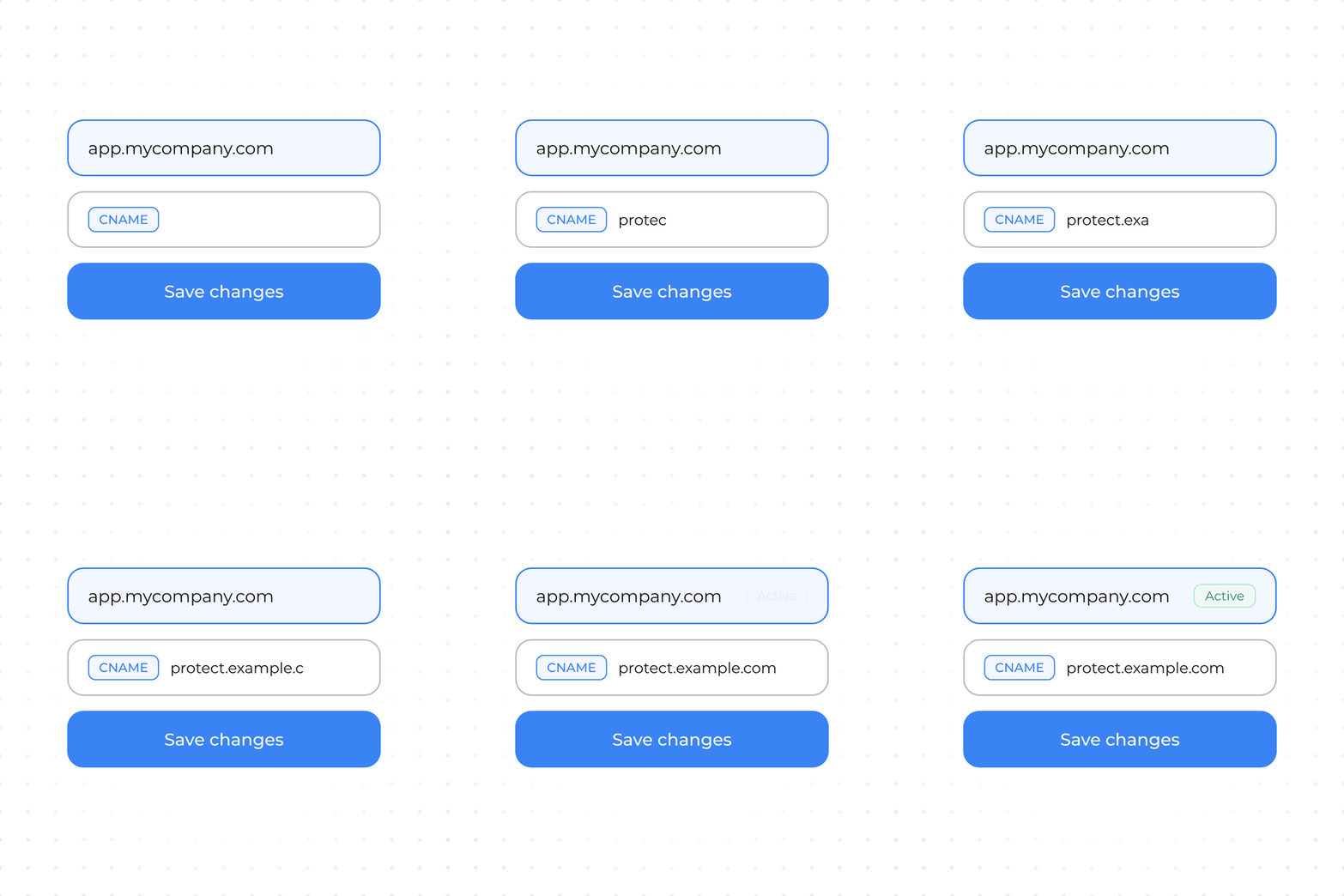
Protection is live within minutes. It only takes a simple CNAME DNS redirect, with no changes to your hosting provider, existing infrastructure or application code.
Step 1

DNS redirect.

Redirect your traffic with a simple DNS record change, with zero downtime.
Saisie du nom de domaine de l'application et de l'enregistrement CNAME
Step 2

Instant protection.

Every request is now analyzed in real time, and threats are blocked automatically.
Requête GET autorisée par le WAF
Step 3

Continuous monitoring.

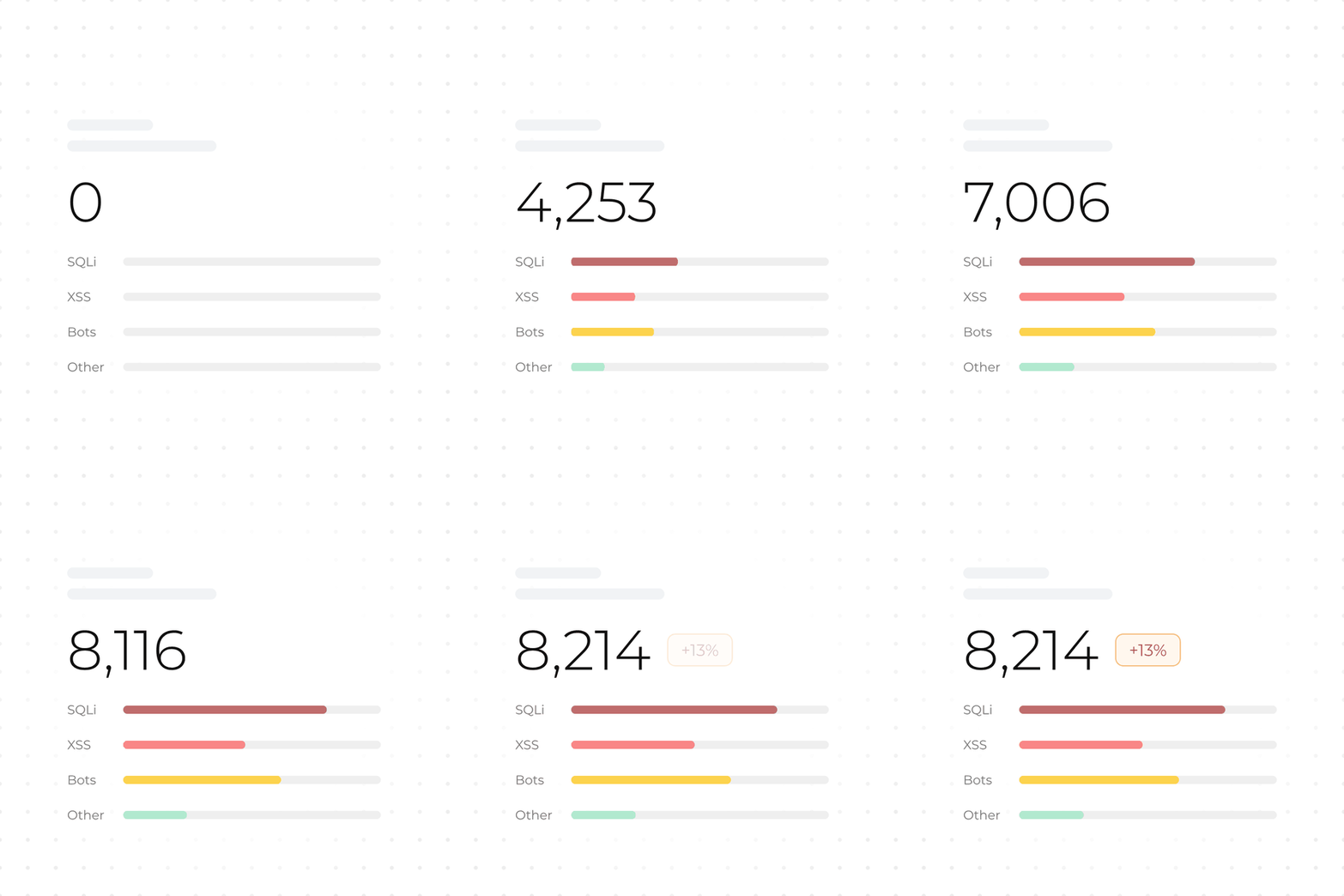
See your traffic, blocked requests and attack types in real time.
Compteur d'attaques par type : SQLi, XSS, bots
WAAP

Your service stays available, always.

The true measure of a WAF isn't whether it blocks attacks, but whether it blocks them without your legitimate users noticing.

Every request is analyzed in milliseconds, and your users' performance and experience are preserved, even against the most sophisticated application attacks.

Have a question?

Find answers to the most common questions about WAF and API protection.

Can't find what you're looking for? Our experts are here to help.

What is a WAF and how does it work?

A WAF (Web Application Firewall) is a security system that analyzes and filters HTTP/HTTPS traffic between the internet and your web applications. Activ Security's WAAP inspects every request in real time against multiple criteria (sender reputation, attack signatures, behavior) and blocks malicious requests before they reach your server. All in milliseconds, with no impact on your legitimate users' experience.

What's the difference between a WAF and a WAAP?

A WAF (Web Application Firewall) mainly protects web applications against classic application attacks (OWASP Top 10). WAAP (Web Application and API Protection) is the evolution of the WAF: it adds API protection, application-layer (layer 7) DDoS mitigation, bot management and AI-driven behavioral analysis. Activ Security is a complete WAAP solution that covers your entire exposed web and API surface in a single service.

Does Activ Security's WAAP affect my site's performance?

No. Activ Security's WAAP is designed for minimal latency: each request is filtered in under 5 milliseconds. Our infrastructure is geographically distributed to process requests as close to your users as possible. Protection is transparent: your legitimate visitors notice no difference, whether they connect from France or the other side of the world.

Does Activ Security's WAAP also protect my APIs?

Yes. The Activ Security engine natively protects your REST, GraphQL and WebSocket API endpoints against injections, broken authentication, broken object-level authorization (BOLA/IDOR), rate-limiting abuse and excessive data exposure. API protection is included, with no extra configuration.

How does the WAF handle false positives?

Activ Security includes a learning mode that analyzes your legitimate traffic during the first hours after activation to calibrate rules to your context. If a false positive is identified, you can create an exception in a few clicks from the dashboard, without changing global rules. Our support team is available to help you fine-tune detection thresholds for your specific use cases.